Broken Pipe Repair in Denver, CO
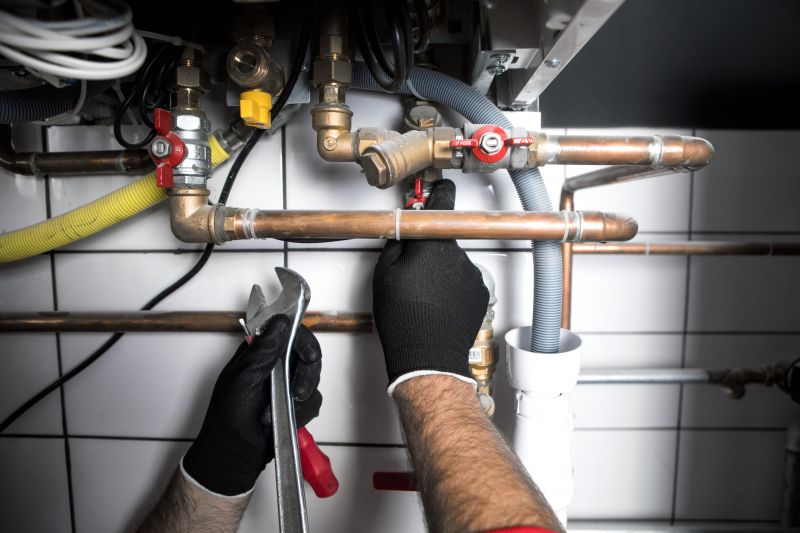
Broken pipe repair services address issues involving damaged or burst pipes within a property’s plumbing system. These repairs typically cover a range of projects, including fixing leaks caused by corrosion, freezing, or age-related wear, as well as replacing sections of pipe that have cracked or ruptured. Property owners often seek these services after noticing water damage, low water pressure, or unexplained increases in utility bills, aiming to restore proper plumbing function and prevent further damage to their homes.
Before requesting broken pipe repair, homeowners usually want to understand the scope of work involved, the types of pipes that may need attention, and the potential causes of the damage. It’s also common to inquire about the materials used for repairs, the expected disruption during the process, and any steps that can help prevent future pipe issues. Having clear information about these aspects helps property owners make informed decisions and ensures the repair process addresses both immediate concerns and long-term plumbing health.
Many property owners in Denver, CO look into Broken Pipe Repair for repairs, replacements, upgrades, and appearance-related improvements.
Common Causes Of Broken Pipes
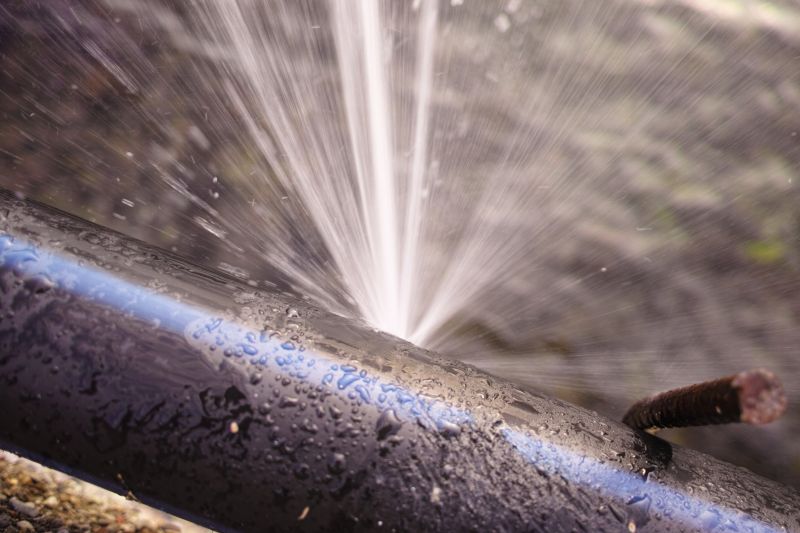
Freezing temperatures and aging pipes can lead to cracks and bursts in denver homes.
Signs Of Pipe Damage
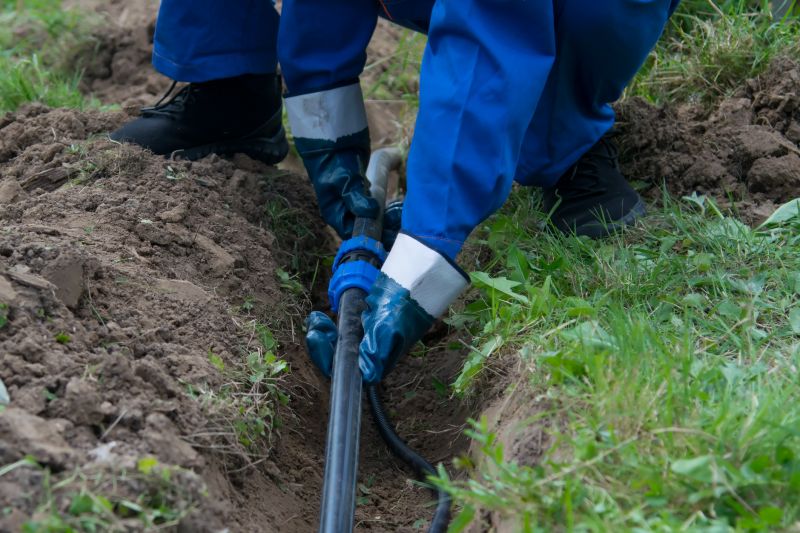
Slow leaks, water stains, and low water pressure often indicate a broken pipe issue.
Importance Of Prompt Repairs
Addressing pipe damage quickly helps prevent water damage and costly repairs in residential properties.
Broken Pipe Repair in Denver, CO

Broken pipe repair services address issues involving damaged or burst pipes within a property’s plumbing system. These repairs typically cover a range of projects, including fixing leaks caused by corrosion, freezing, or age-related wear, as well as replacing sections of pipe that have cracked or ruptured. Property owners often seek these services after noticing water damage, low water pressure, or unexplained increases in utility bills, aiming to restore proper plumbing function and prevent further damage to their homes.
Before requesting broken pipe repair, homeowners usually want to understand the scope of work involved, the types of pipes that may need attention, and the potential causes of the damage. It’s also common to inquire about the materials used for repairs, the expected disruption during the process, and any steps that can help prevent future pipe issues. Having clear information about these aspects helps property owners make informed decisions and ensures the repair process addresses both immediate concerns and long-term plumbing health.
Many property owners in Denver, CO look into Broken Pipe Repair for repairs, replacements, upgrades, and appearance-related improvements.
Common Broken Pipe Repair Jobs
Broken Pipe Repair - Restores damaged pipes to prevent water leaks and property damage.
Emergency Pipe Repair - Addresses sudden pipe failures to minimize water disruption.
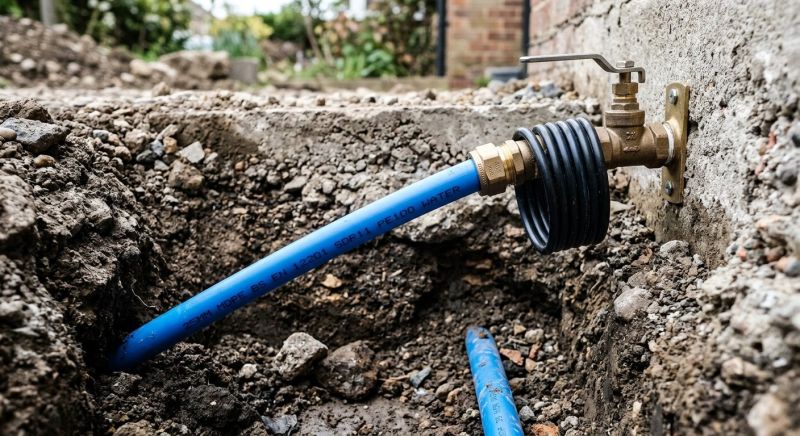
Underground Pipe Repair - Fixes pipes buried beneath the foundation or yard without extensive excavation.
Pipe Replacement - Replaces aging or severely damaged pipes to ensure reliable water flow.
Leak Detection - Locates hidden pipe leaks to target repairs accurately.
Pipe Restoration - Rehabilitates corroded or deteriorated pipes to extend their lifespan.
Broken Pipe Repair Questions
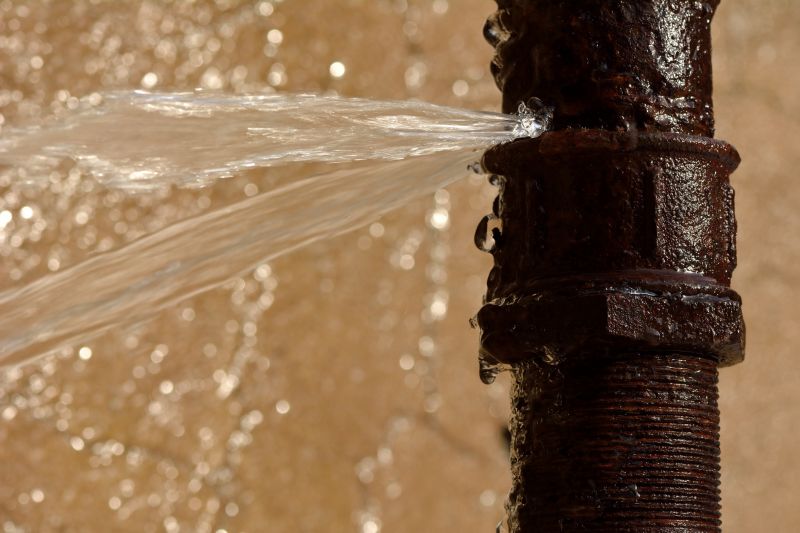
What causes pipes to break? Pipes can break due to freezing temperatures, corrosion, shifting soil, or age-related wear and tear.
How can I tell if a pipe is broken? Signs include water leaks, low water pressure, unexplained water bills, or visible cracks and bulges in pipes.
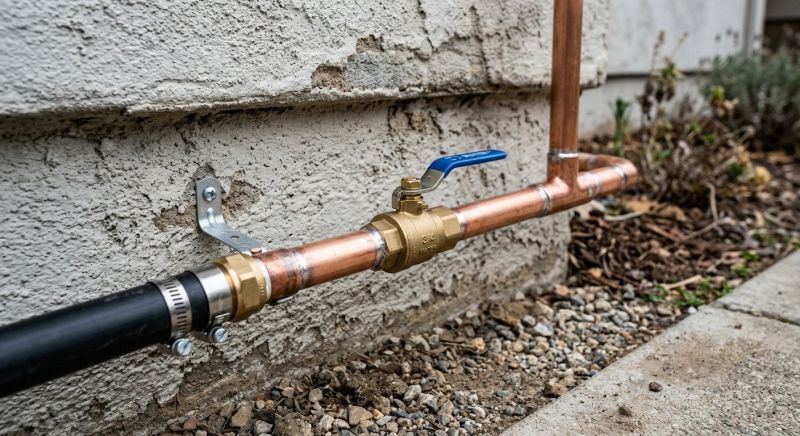
What types of pipes are commonly repaired? Commonly repaired pipes include copper, PVC, and galvanized steel pipes, depending on the property’s plumbing system.
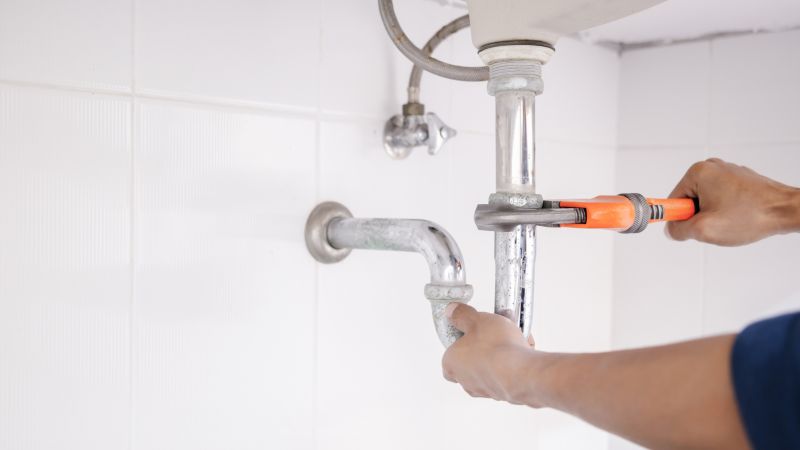
What areas do broken pipe repairs typically cover? Repairs often address leaks or damage in basements, crawl spaces, walls, or outdoor plumbing lines.
Request Broken Pipe Repair in Denver, CO
Use the quote form on this page to share the basics of your project and request more information for the type of work you need.